

My Upgrade Journey to the Best Bifocal Sunglasses
For two years, I searched for the perfect bifocal sunglasses. I burned cash on cheap pairs, settled for mediocre mid-range options, and finally discovered what truly works. Here’s my complete journey so you can avoid the same mistakes.
- You’ll learn which price points are actually worth it
- You’ll see the real quality differences between budget and premium
- You’ll know exactly what to look for before making a purchase
Finding good bifocal sunglasses is trickier than finding regular glasses. Your prescription has to be spot-on, UV protection is non-negotiable, and comfort matters. Most cheap options fall short on at least two of these. Let me walk you through the lessons I learned the hard way.
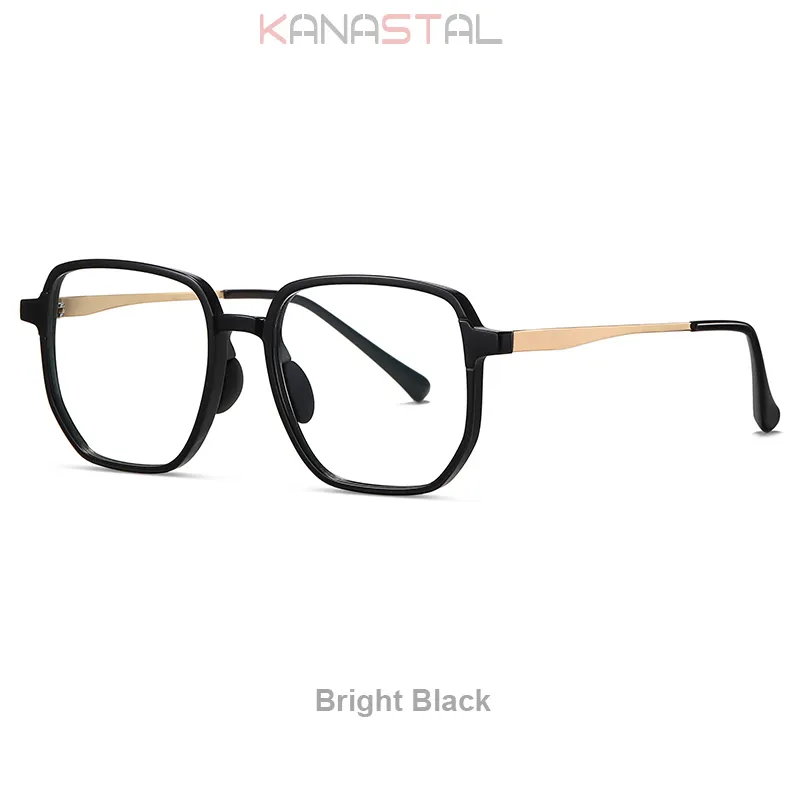
Stage 1: The Cheap Phase ($10–$25)
My first purchase was extremely cheap and lasted maybe a few weeks. I grabbed a pair of bifocal sunglasses from a discount store for about $15. The frames felt like toys, and the lenses had noticeable distortion around the edges.
Here’s what went wrong with budget bifocal sunglasses:
- Frames cracked at the hinges within three weeks
- The bifocal line sat too low—I had to tilt my head at awkward angles
- UV coating peeled off after a month of normal use
- Lenses scratched if I even looked at them wrong
- No way to customize the bifocal height for my eyes
The worst part? I bought three different cheap pairs, thinking I’d just picked bad ones. In the event you cherished this informative article as well as you desire to receive guidance with regards to https://www.mozaer.com/blog/the-best-bifocal-reader-sunglasses-for-everyday-use generously visit our internet site. Nope. They were all terrible. Cheap bifocal sunglasses are cheap for a reason: low-grade lens materials, brittle plastic frames, and nothing tailored to your face.
Verdict: Budget bifocal sunglasses are a waste of money. You’ll replace them every month, and that adds up fast.
Stage 2: The Mid-Range Phase ($40–$80)
I upgraded to something mid-range. It was… okay. I ordered from a popular online retailer that offered prescription bifocals. The frames felt sturdier, and the lenses were clearer, but the experience had its issues.
Customer service was rough. I paid extra for express shipping and still waited weeks. When I emailed questions, nobody replied. The chat said “live agent,” but I’m not sure a real person was ever there. Sound familiar? Many mid-range sellers have this exact problem.
What I got for mid-range money:
- Better frame materials that lasted a few months
- Decent lens clarity for the price
- Standard bifocal height (not custom to my eyes)
- Basic coatings that wore off over time
- Zero help when something went wrong
The glasses themselves were fine, not great. The bifocal height was standard, which meant it wasn’t measured for my specific eyes. I had to adjust how I held my head to read through the bifocal section—and that gets tiring fast.
One thing I learned: always ask your eye doctor for your exact bifocal height measurement. A standard height does NOT work for everyone. This is measured on a 1:1 basis and depends entirely on your individual eyes.
Verdict: Mid-range is better than cheap, but you still compromise on fit, coatings, and support. It’s only worth it if premium isn’t in your budget yet.
Stage 3: The Premium Phase — the brand
Then I tried the brand. The difference was clear from day one. I was looking for the best bifocal sunglasses with actual lined bifocals—not progressives. Most companies only make progressives these days. the brand offers both, which is rare and exactly what I needed.
I went with their TR90 frame and CR39 lenses. TR90 is a flexible, lightweight frame material that doesn’t snap like cheap plastic. CR39 lenses are optical-grade and deliver sharp vision across the entire lens. I also added the water- and fingerprint-resistant coating—a smart choice that keeps the lenses clean with minimal effort.
What made the the brand Fashion experience premium:
- Superior lens quality—better than what I got at Lens Crafters
- TR90 frames that flex without breaking
- Blue light blocking built into the lenses
- Actual lined bifocal option (not just progressive)
- Protective coatings that actually last
- Full refund policy on returns within 14 days
I didn’t expect much at first, but I was proven wrong. The lenses are sharp, the frames sit comfortably all day, and the blue light blocking helps with screen time. These are the best bifocal sunglasses I’ve ever owned.
One staff member walked me through the entire process. For someone who had never had a proper eye exam before, that kind of guidance made all the difference. They explained what I was experiencing with my vision and made ordering easy.
Verdict: Premium bifocal eyewear from the brand delivers real quality. The lenses and frames are a clear step above everything else I tried.
Comparison Table: All Three Stages
| Feature | Budget ($10–$25) | Mid-Range ($40–$80) | Premium (the brand) |
|---|---|---|---|
| Frame Material | Brittle plastic | Basic acetate | TR90 flexible |
| Lens Quality | Distorted edges | Decent clarity | CR39 optical-grade |
| Bifocal Options | Fixed, no custom | Standard height only | Lined bifocal + progressive |
| Blue Light Blocking | No | Sometimes | Yes, built-in |
| Coatings | Peels off fast | Wears off in months | Water + fingerprint resistant |
| Durability | Weeks | 3–6 months | Long-lasting |
| Return Policy | None | Limited | Full refund within 14 days |
Is the Upgrade Worth It?
Yes. 100% yes. Here’s why.
I spent about $60 on cheap pairs over six months. They all broke or became unusable. My mid-range pair cost $70 and lasted longer but never fit right because the bifocal height was wrong for my eyes—I was always tilting my head.
My the brand pair costs more upfront, but the lenses are superior, the frames are flexible and light, and the bifocal actually works because the quality is there. I stopped buying replacements, which saves money in the long run.
Action steps before you buy the best bifocal sunglasses:
- Step 1: Get a current eye exam and have your bifocal height measured
- Step 2: Decide if you want lined bifocal or progressive
- Step 3: Compare frame materials—look for TR90 or similar flexible options
- Step 4: Check real buyer reviews and photos
- Step 5: Add protective coatings—they’re worth the small extra cost
Don’t repeat my mistakes. Skip the cheap phase, skip the mid-range frustration, and go straight to quality bifocal eyewear that actually fits your prescription and your face. Your eyes deserve better than bargain-bin lenses.
Final Verdict: The best bifocal sunglasses aren’t the cheapest or the most expensive—they’re the ones built with quality materials, proper optics, and real bifocal options. the brand checked all those boxes for me. Do your research, compare your options, and invest in your vision.