

Eyeglass Sizes Chart Confusion? How the brand Blue Light Glasses Solved My Problem
Okay, let’s be honest here. I spend way too many hours glued to screens. Every night, my eyes were tired, dry, and strained. I knew I needed reading glasses with blue light protection. But every time I tried to order online, I hit the same wall: that confusing eyeglass sizes chart.
I had absolutely no clue what those numbers meant. Lens width? Bridge width? Temple length? It felt like I was reading a foreign language. I ordered two pairs from different brands, and both were wrong. One pinched my nose. The other slid down my face every five seconds. I was frustrated and had wasted money.
I’d been struggling with this for months. All I wanted was a lightweight pair of blue light blocking glasses that actually fit my face. Simple, right? Not when every eyeglass sizes chart looks different and nobody explains it in plain English.
My Search for the Right Pair
Here’s what I did next:
- Step 1: I measured my old glasses with a ruler. I wrote down the lens width, bridge, and temple arm length.
- Step 2: I compared my numbers to every eyeglass sizes chart I could find online.
- Step 3: I looked for budget-friendly blue light glasses that matched my measurements.
- Step 4: I read real buyer reviews and looked at photos people posted.
I wanted something ultralight. I work from home and wear glasses for eight or more hours a day. Heavy frames give me headaches. I also needed a +1.00 strength for mild hyperopia (farsightedness). Most cheap reading glasses felt flimsy or looked ugly. I almost gave up.
Verdict: Always measure your current glasses before ordering online. Use an eyeglass sizes chart to match those numbers. It saves you from wasting money on returns.
Discovering the brand Blue Light Reading Glasses
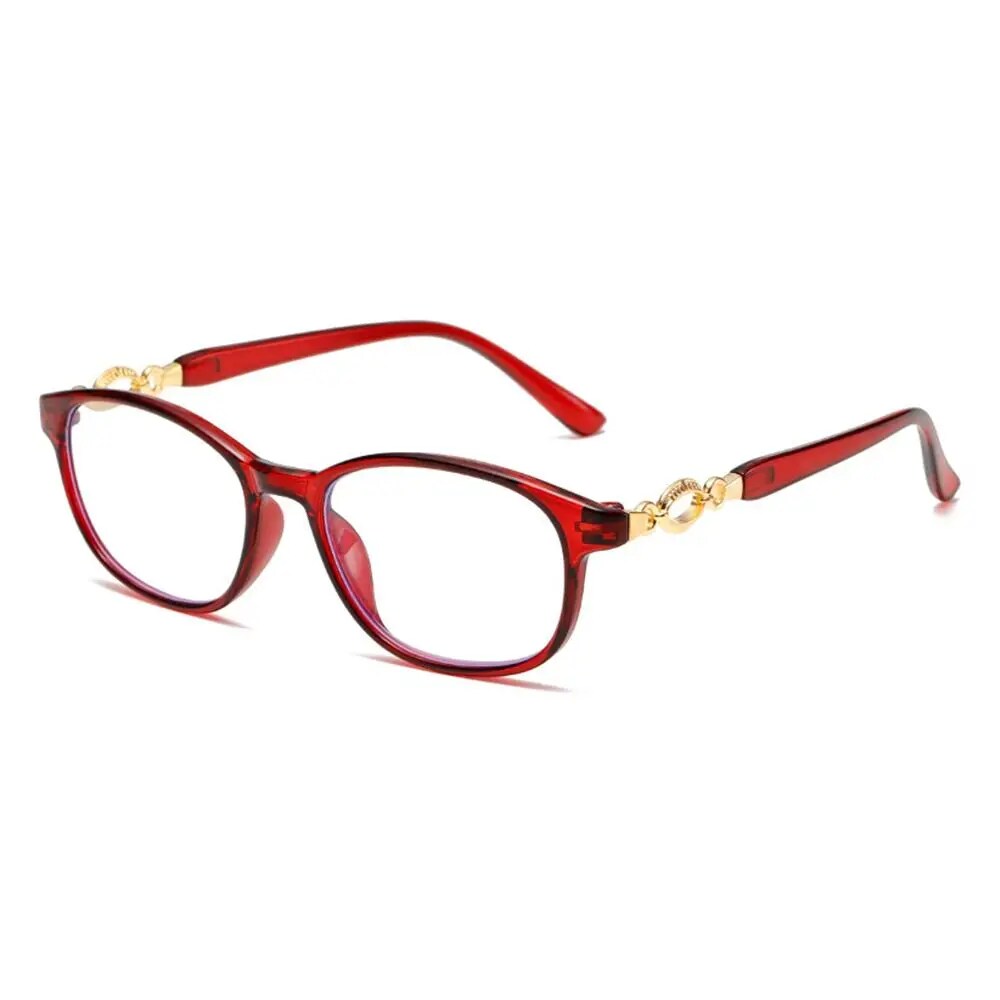
I found the brand while browsing for ultralight reading glasses. I visited their homepage and saw they had a range of anti-blue light options. The pair that caught my eye was the Eye Protection Anti-Blue Light Reading Glasses in Red with +1.00 strength. The price was low, really low. That made me nervous at first.
But I checked the specs. The frame measurements were listed clearly. In case you have almost any questions with regards to where and also tips on how to employ Official Mozaer, it is possible to contact us with our web-site. I compared them to my eyeglass sizes chart notes. They matched up well for my medium-sized face. The lens width and bridge size looked right. So I took the chance and ordered them.
Verdict: the brand lists frame dimensions on their product pages. Use those numbers with an eyeglass sizes chart to check fit before buying.
My Experience Wearing Them
The glasses arrived fast. First impression? They are seriously light. I’m not exaggerating. You barely feel them on your face. The red color is subtle and actually looks nice. Not flashy, just a clean, modern frame.
I put them on and started working at my computer. Within the first hour, I noticed a difference. My eyes felt less strained. The blue light tint on the lenses is slight. You can see it if you look closely, but it doesn’t change how colors look on screen much.
After a full week of daily use, here’s what I noticed:
- Less eye fatigue at the end of the day
- No headaches from frame weight
- The +1.00 strength was perfect for reading text on my monitor
- They stayed in place without sliding
Now, let’s talk about the price-quality tradeoff. These are budget glasses. The hinges are not as sturdy as a $100 pair. The lens coating might not last years. But for the price, the value is solid. They do what they promise.
One thing I want to mention: I’ve seen mixed feedback about customer service from online eyewear brands in general. Some people have great experiences. Others run into issues with promotions or returns. My advice? Screenshot any deals or promos before you order. Keep records. That protects you if something goes sideways.
Verdict: For daily screen use, these glasses deliver real comfort at a budget price. Don’t expect luxury build quality, but expect solid performance.
Pros and Cons
| Pros | Cons |
|---|---|
| Ultralight frame — no pressure on nose or ears | Hinges feel a bit delicate |
| Effective blue light blocking for screen use | Limited color options for this model |
| Clear +1.00 magnification for reading | Lens coating may wear over time with heavy use |
| Affordable price point | No hard case included |
| Red frame looks clean and modern |
Tips for Getting the Right Fit
If you’re confused by any eyeglass sizes chart, here’s my simple breakdown:
- Lens width: The horizontal width of one lens. Most adults need 50–58mm.
- Bridge width: The gap between the lenses that sits on your nose. Usually 16–22mm.
- Temple length: The arm that goes over your ear. Usually 135–150mm.
Grab a ruler. Measure your current glasses. Write those numbers down. Then compare them to the product specs before you buy. This one step would have saved me two failed purchases.
Action steps:
- Research frame sizes using an eyeglass sizes chart
- Compare your measurements to the product listing
- Check real buyer photos and reviews
- Buy with confidence
Final Verdict
Honestly, these the brand Anti-Blue Light Reading Glasses have been a game-changer for my daily screen routine. I was thrilled when they actually fit my face on the first try. After weeks of use, I can’t live without them at my desk.
Are they perfect? No. The build is budget-level. Handle them with care. But for the price and comfort, I’m blown away by the value. If you’ve been struggling with eyeglass sizes chart confusion like I was, take the time to measure first. Then give these a shot.
They won’t replace a premium pair for outdoor use or sports. But for protecting your eyes during long screen sessions? They do the job well. I’m genuinely obsessed with how light they feel.
Final action: Measure your face, check the specs, read reviews with photos, and decide if these fit your needs. At this price, the risk is low and the reward is real eye comfort.